Get Well Flow Testing in Sussex County, NJ
Well Flow Testing services for property owners in Sussex County, NJ, help identify well performance issues, diagnose low water pressure, and ensure safe, reliable water supply systems through experienced local contractors.
Well flow testing services are essential for property owners in Sussex County, NJ who are planning well-related projects or seeking to assess the condition of their existing water systems. Whether preparing for a new well installation, evaluating water pressure issues, or ensuring the integrity of a current supply, understanding your well’s performance is a practical step for maintaining reliable water access. Exploring options from nearby service providers can help property owners compare approaches and find the right solutions tailored to their specific needs.
This is a valuable resource for those looking to connect with local contractors experienced in well flow testing. By reviewing available services in Sussex County, property owners can gather information to inform their planning and ensure they choose qualified professionals for the job. Continuing to explore the options can lead to a clearer understanding of what local providers offer and how they can support ongoing property management or development projects.
- Well Flow Testing - needed when homeowners suspect low water pressure or inconsistent flow in neighborhoods like Newton or Sparta.
- Well Flow Testing - recommended before purchasing a property to ensure the well system is functioning properly in communities such as Sussex or Franklin.
- Well Flow Testing - essential after well installation or repair to verify the well’s performance in areas like Montague or Hopatcong.
- Well Flow Testing - useful for diagnosing issues with well yield or capacity in residential zones around Vernon or Newton.
- Well Flow Testing - important when planning to increase water usage for irrigation or new fixtures in local rural or suburban properties.
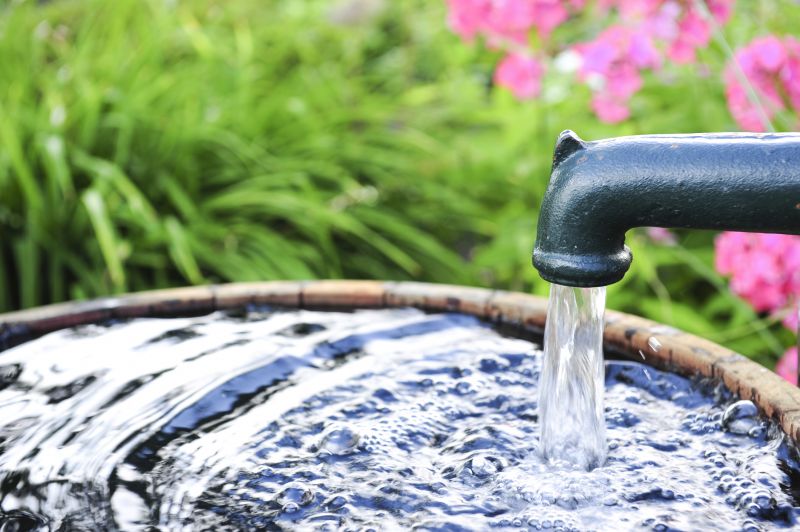
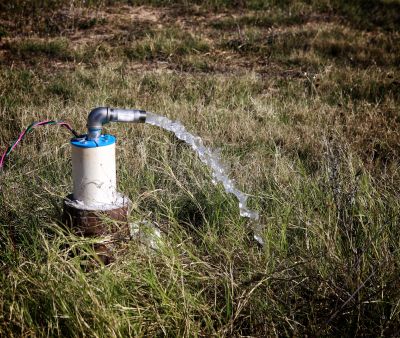
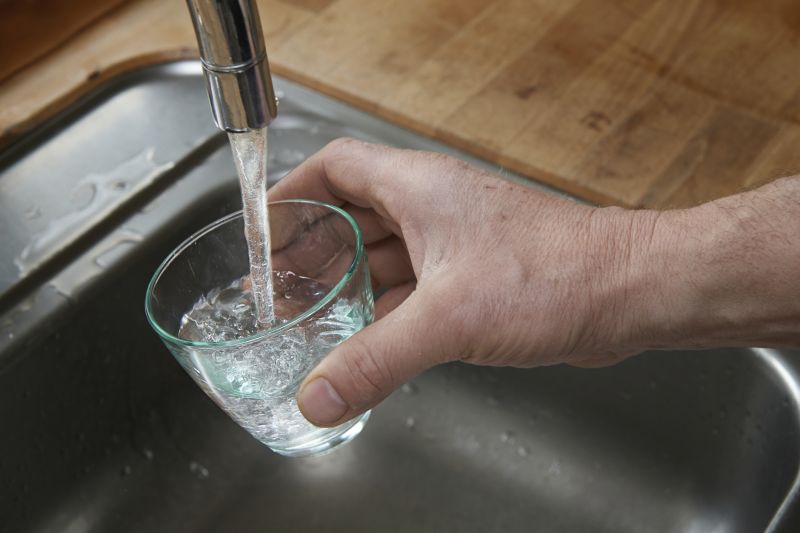
Well flow testing services involve evaluating the performance of a property's well system to ensure it provides adequate water flow and pressure. This process typically includes measuring how much water the well can produce over a specific period and assessing the pressure levels throughout the plumbing system. By conducting these tests, service providers can identify potential issues related to water supply, such as insufficient flow rates or pressure drops, which might affect daily household activities like bathing, cooking, and laundry. Well flow testing is an important step for homeowners who rely on private wells for their water needs, especially when experiencing changes in water availability or quality.
This service helps solve common problems such as low water pressure, inconsistent water flow, or a sudden decrease in water supply. It can also reveal underlying issues like clogged well screens, pump malfunctions, or declining aquifer levels. Identifying these problems early can prevent more serious damage to the well system and ensure reliable water access. Homeowners who notice their taps are weaker than usual, or who experience frequent air in the lines or sputtering faucets, may benefit from well flow testing to diagnose the root cause of these issues.
Well flow testing is often used by property owners of various types, including rural homes, farms, and properties with private well systems. It is especially common for those considering well upgrades, repairs, or system replacements. Additionally, real estate transactions frequently involve well flow testing to verify water availability and quality before purchasing a property. This service is also valuable for homeowners who have recently experienced a drop in water pressure or who are preparing for seasonal changes that might impact well performance.
Understanding when to schedule well flow testing can help homeowners maintain a consistent and dependable water supply. If there are signs of decreasing water flow, unusual noises from the well pump, or if the property is experiencing water shortages, contacting local service providers for testing is a practical step. These professionals can accurately assess well performance, identify potential problems, and recommend appropriate solutions. Connecting with experienced contractors ensures that the testing is thorough and that any necessary repairs or improvements are handled efficiently, helping to keep household water systems functioning smoothly.
The overview below groups typical Well Flow Testing projects into broad ranges so you can see how smaller, mid-sized, and larger jobs often compare in Sussex County, NJ.
In many markets, a large share of routine jobs stays in the lower and middle ranges, while only a smaller percentage of projects moves into the highest bands when the work is more complex or site conditions are harder than average.
Smaller Well Flow Tests - Typically range from $250 to $600 for routine assessments of residential wells. Many common jobs fall within this range, covering standard testing procedures. Larger or more complex projects may cost more, but they are less frequent.
Moderate-Scale Testing - These services generally cost between $600 and $1,200, often for slightly more involved evaluations or multiple well sites. Many local contractors handle projects in this range, with fewer exceeding $1,200.
Comprehensive Well Flow Analysis - Larger, detailed testing can range from $1,200 to $3,000, especially for extensive assessments or multiple tests. Such projects are less common but necessary for complex or high-demand systems.
Full Well System Replacement - Complete replacement or major repairs can reach $4,000 or more, depending on the scope. Most local pros handle these larger jobs on a case-by-case basis, with many projects falling below this high-end estimate.
Actual totals will depend on details like access to the work area, the scope of the project, and the materials selected, so use these as general starting points rather than exact figures.
Hydrogeological Surveys - these projects involve assessing underground water flow and aquifer properties, utilizing similar testing techniques and planning methods as well flow testing services.
Pump Test Installations - installing and evaluating pumping systems requires expertise in well performance and flow measurement, aligning closely with well flow testing processes.
Water Well Rehabilitation - restoring and maintaining well efficiency involves flow assessments and troubleshooting skills similar to those used in well flow testing.
Groundwater Monitoring Programs - ongoing monitoring of groundwater levels and flow patterns shares technical approaches with well flow testing to ensure accurate data collection.
Well Drilling Projects - drilling new wells involves understanding subsurface conditions and planning flow tests to evaluate well productivity.
Flow Meter Installations - setting up and calibrating flow measurement devices for various applications relates directly to the tools and techniques used in well flow testing services.
When selecting a service provider for Well Flow Testing, it’s important to consider their experience with similar projects in the Sussex County area. Homeowners should look for local contractors who have a proven track record of handling well flow assessments comparable to their specific needs. Asking about previous work can help gauge whether a provider has the necessary familiarity with local groundwater conditions and the unique aspects of well systems in the region. Experienced professionals are more likely to understand potential challenges and deliver accurate, reliable testing results.
Clear written expectations are essential to ensure that both the homeowner and the service provider are aligned on the scope of work. Homeowners should seek detailed descriptions of the testing process, what the results will include, and any follow-up steps. Having this information in writing helps prevent misunderstandings and provides a reference point throughout the project. Reputable local contractors typically provide transparent information about their services, making it easier to compare options and choose a provider who communicates openly and thoroughly.
Good communication and reputable references are key indicators of a dependable Well Flow Testing service provider. Homeowners can benefit from speaking with previous clients or reading reviews to learn about others’ experiences. Reliable local pros should be responsive to questions and able to explain the testing process clearly. Establishing open lines of communication ensures that any concerns can be addressed promptly, and references can offer insights into the professionalism and quality of the provider’s work. It’s important to remember that this site introduces homeowners to local options; it does not perform the testing itself, but helps connect individuals with qualified service providers in the Sussex County area.
Property owners in Sussex County, NJ use Well Flow Testing services for practical projects around their homes and businesses. This guide focuses on everyday jobs and straightforward project options.
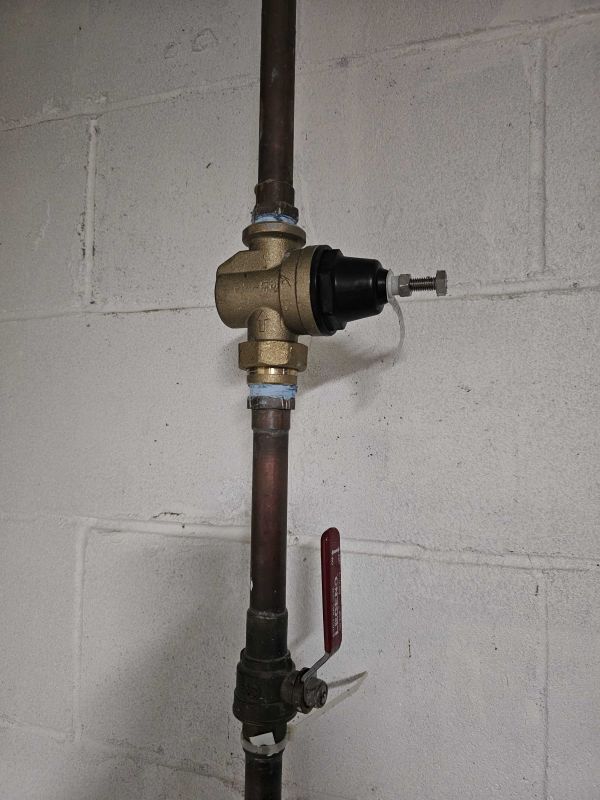
Well flow testing services are often needed when property owners in Sussex County, NJ, experience issues with their well water, such as inconsistent pressure, low flow rates, or sudden drops in water supply. Homeowners planning to install a new well or upgrade an existing one may also seek testing to ensure the well is functioning properly before use. Additionally, those noticing changes in water quality or suspecting contamination might look for local contractors who can perform thorough well flow assessments to diagnose potential problems and determine the best course of action.
In many cases, property owners turn to local contractors for well flow testing when preparing for a home renovation, adding new fixtures, or addressing ongoing water pressure concerns. Whether dealing with a residential property or a small business in Sussex County, NJ, having a clear understanding of well performance can help prevent future issues and ensure reliable water supply. Service providers in the area can assist with testing, troubleshooting, and providing guidance on maintaining a healthy, efficient well system.
What is well flow testing? Well flow testing involves measuring the flow rate and water production capacity of a well to assess its performance and sustainability.
Why should I consider well flow testing? Well flow testing helps identify well issues, determine water availability, and ensure your well system is functioning properly.
Who can perform well flow testing? Local contractors experienced in well services can conduct well flow testing to provide accurate assessments.
How often should well flow testing be done? Regular testing is recommended to monitor well performance, especially if you notice changes in water flow or quality.
What are the signs that a well may need flow testing? Decreased water flow, inconsistent pressure, or changes in water quality can indicate a need for well flow testing by a local service provider.
Identify potential plumbing issues - Well flow testing can help property owners detect early signs of plumbing problems before they become major repairs.
Assess water pressure levels - This service allows homeowners to evaluate if their water pressure meets daily needs for activities like bathing, cooking, and cleaning.
Plan for system upgrades - Well flow testing provides insights that can guide decisions on upgrading or replacing existing well systems for better performance.
Ensure consistent water supply - Property owners can use well flow testing to verify that their well can reliably meet the demands of household use.
If you are thinking about Well Flow Testing for a property in Sussex County, NJ, this guide is meant to help you understand the work, the typical project types, and how different options might fit your plans.
When you are ready, you can use the quote form on this page to share a few details about your project. From there, local pros can review the basics and respond with options that match what you have in mind.